e-Training for Dogs

Online Dog Training Class | Puppy Dog Training Online | Search and Rescue Dog Training

  • Home
  • About
    • History of e-Training
    • Faculty
    • Guest Lecturers
    • Students
  • Online Learning
    • For the Dog Professional
      • Canine Professional Programs
      • Individual Courses for Professionals A-Z
      • Individual Courses for Professionals-By Interest
      • Lecture Series
        • Ethology and Canine Behavior Lecture Series
        • Service Dog Training Lecture Series
      • CCPDT CEU Approved Courses
      • IAABC CEU Approved Courses
      • NADOI Accredited Courses for CEUs
    • For the Dog Enthusiast
      • Individual Courses A to Z for the Dog Enthusiast
      • Individual Courses by Interest for the Dog Enthusiast
    • Pet-Sitting Courses
    • Animal Wellness and Animal Hospice
    • Veterinary Professional Courses
    • Equine Enthusiasts Online Courses
  • FAQ
  • Blog
  • Contact
  • Links
You are here: Home / Archives for 2013

Archives for 2013

Equine Massage Therapy Certification

December 26, 2013 By Cheryl Aguiar |

D___S_LinkedEquine Massage Therapy Certification Online

Learn and earn Equine Massage Therapy Certification online at the first online school to offer webinars for animal professionals. We are excited to present an Equine Massage Certification online through Treetops in Canada.

Two courses are required for successful completion of the Equine Massage Therapy Certification

Equine Anatomy and Physiology Course

Equine Massage

Instructor: Sheilagh O’Sullivan


Equine Anatomy and Physiology Course  This course is a prerequisite for the online Equine Massage certification hands on course. Students will receive training in animal anatomy and physiology. Students will develop an understanding of the relationship between anatomy, physiology, biomechanics, innersole and massage therapy in animals. This course is designed to give students the necessary information in order to understand the relationship between how the body is composed, how it works and the impact massage therapy will have on these systems. Knowledge level upon successful completion will be equivalent to that of a Veterinary Nurse/Technician. This course consists of 12 OnDemand lessons, 10 quizzes, 6 assignments plus the final exam. Students must complete the course in 4 months after registration.

Equine Massage In this course students will learn all the relevant Swedish massage therapy strokes; history and theory of massage; definition and purpose of massage for equines; creating a positive working environment for equine massage; physiological effects of massage for equines; psychological effects of massage for equines; contraindications to massage for equines; assessment and treatment protocols for equines; an introduction to hydrotherapy for equines; equine biomechanics and kinesiology. Instruction will also be provided in advanced equine massage techniques including acupressure, sports massage, lymph drainage massage and colour therapy. Throughout the course you’ll learn to observe and respond to equine behaviour using positive equine handling skills. The course covers business and client management, professionalism and ethics. Students will complete their case study requirements and prepare for the certification exams. Course materials include a comprehensive manual and two instructional videos. The videos provide details on the assessment procedures, the creation of a safe working environment, all the massage strokes, including specialized massage techniques, a complete therapeutic massage session and a stretch routine.This course consists of 14 OnDemand lessons. Students will complete 11 assignments, 5 video demonstrations (to be turned, and “case studies” which involve massaging 10 horses 4 times.

Equine Anatomy and Physiology

Equine Massage Course

Purchase each course at their respective links.
Filed Under: Equine Massage Diploma Program | Tagged With: equine massage certificate, equine massage therapist, equine massage therapy, equine massage therapy certificate, equine massage therapy online certificate, equine massage therapy online course, equine massage therapy training

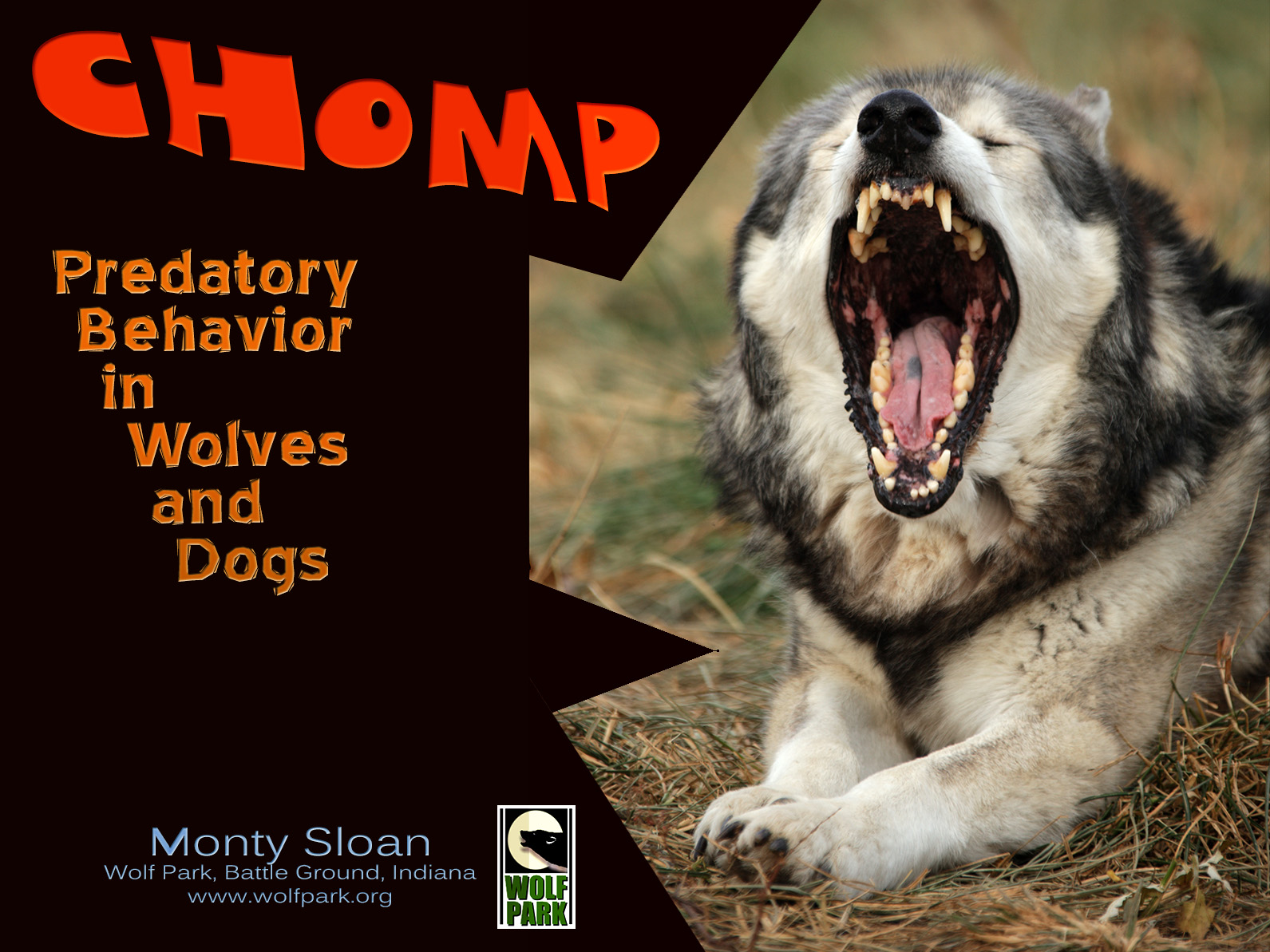
Chomp: Predatory Behavior in Wolves and Dogs

December 20, 2013 By Cheryl Aguiar |

Predatory behavior in dogsPredatory Behavior in Dogs and Wolves

Speaker: Monty Sloan

Description: In addressing how dogs are similar and how they are different from the wolf in terms of development, ecology, and behavior, one needs to look at the basic functions and development of predation in the wolf.  The obligate progression of predatory behaviors seen in wolves exist to varying degrees, but have been modified, in some cases nearly to the point of non-existence, in dogs. With a focus on wolf predatory behaviour, emphasizing field studies in Yellowstone and Isle Royale, this program will address ontological development,  effects of the environment and learning, as well as individual variations of behavior in the wolf.  Comparisons will be drawn to dogs, and some of the differences seen in various dog breeds.

Date and Time: Available OnDemand (recorded)

Cost:
$25.00
add-to-cart-8


CEU’s Available:
2 IAABC CEU’s
2 CCPDT CEU’s
2 ABCDT-L2 CEU’s
2 NADOI CEU’s
2 PPAB/PPG

Members of APDT, CCPDT, IAABC, ABCDT-L2 or NADOI receive over 25% off. All Lecture Series Webinars are only $18.00 each. See instructions below on how to find the password to take part in this professional discount.

IAABC members, Click HERE to apply your discount.
Email cheryl@e-trainingfordogs for the passcode.

NADOI, CCPDT, ABCDT-L2, PPG, IACP and APDT members, click HERE to apply for your discount.
Email cheryl@e-trainingfordogs for the passcode.

Filed Under: Past Lectures |

Grooming Your Own Dog: DIY Grooming for Man’s Best Friend

November 15, 2013 By Cheryl Aguiar |

GroominPrettifying Your Dog DIY Grooming for Man's Best Friendg Your Own Dog

Why is grooming important?

Finding a dog to become a new friend or part of your family is the easy part. However, dogs, like humans, need more than just their daily walk and a bit of attention when we feel like giving it. Grooming your own dog is an important part of the relationship between owners and their dogs. The following will briefly highlight some of the forms of grooming and provide some short tips on how on how to keep your dog looking nice and healthy. The time you dedicate to grooming your four-legged friend can bring you closer, and save you spending money on expensive private groomers.

Invest in a grooming kit

There are different ways to help your dog maintain its hygiene. Before you can do anything however, you have to equip yourself with few tools. Don’t be overwhelmed. Of course, there are hundreds of clippers, combs, brushes, scissors, shampoos and even more specialized pieces of equipment out there. Starting with a grooming kit is the best way to introduce yourself to the tools of grooming. When it comes to choosing a kit, it can be wiser to invest a little bit more money for more durable tools. Sometimes we are inclined to buy cheaper tools and replace them when they break. Investing in good grooming kit at the beginning can save you time and money in the long term. There are different grooming kits available for different kinds of dogs with individual needs. Make sure you inform yourself as to which grooming kit will serve your dog best, and don’t be afraid to ask for help before purchasing.

Find a suitable grooming space

Grooming can sometimes be a messy business. For smaller dogs, grooming is easiest on top of an old table (make sure to cover it beforehand to avoid any scratches on the table surface). On the other hand, the only possibility for larger and heavier dogs is to groom them on the ground. Designate a space in a room or area easy that will be easy to clean afterwards. The practice would be to prepare all the necessary tools before you start grooming, so that they can be in easy reach of your hand. Needless breaks could confuse your dog and prompt it to move.

Regular Brushing

Dog grooming doesn’t just mean keeping an eye on the length of your dog’s hair. Keeping hair in good condition by removing dirt, helping the spread of natural oils in the coat and preventing skin irritation and matting goes a long way to keeping your dog looking and feeling its best. Not only can regularly using a brush or comb be relaxing and soothing for both you and your dog, it provides an excellent opportunity to check for fleas while your dog is nice and calm. Make sure to think about the individual needs of your dog when it comes to using appropriate brushes.

Have a bathing strategy

After grooming, most of us want to give our dog a nice bath, and it is good to get your dog used to baths from young age. Smaller dogs can often fit into even a smaller sink, while larger dogs require a more substantial bathing space, typically a larger bath. As with grooming, preparing things for the bath beforehand is best. You should definitely avoid using human shampoo, but opt rather for specialized dog shampoos for optimal pH balance. While in the bath, it is useful to use a facecloth, especially around the airs, to remove any dirt from the face. Always bathe the dog from head to body, moving water away from the face as it gets dirtier, to avoid any skin irritations.

Nail clipping as a part of grooming

As well as cutting, shaving or trimming hair, and bathing your dog, clipping their toenails is another important aspect of grooming. However, be sure to be extra careful when clipping nails. Use appropriate sized clippers and make sure not to press them to close to the skin, or too hard.

Dental care

Taking care of your dogs teeth is one the most important part of maintaining its hygiene. Begin by getting your dog used to the taste of toothpaste, but applying small amounts to your finger, and getting your dog to lick it off. The next step is to get your dog used to the feel of a brush against its teeth; go slowly with this, and be firm but gentle. Start gradually by brushing only a few teeth until the dog gets used to the process. Finally, you can clean your dog’s teeth thoroughly by brushing tooth by tooth.

Treat your dog!

Making every grooming session fun and relaxed for your dog should always be a top priority. Being touched and handled, including in sensitive areas around the ears, tail and belly, can be challenging at first – especially if your dog is the excitable type. Make sure to praise your dog after a grooming session, and even offer a treat when it’s all over! You and your dog will benefit from grooming your own dog.

This is a post by Ashley Williamson. Ashley is a freelance writer and a full time pet lover. When she is not working she likes to travel and do yoga. If you have any question feel free to leave a comment.


Filed Under: Blog |

Classical Conditioning in Dog Training-Thinking like a Dog Trainer Part 2

November 13, 2013 By Cheryl Aguiar |

classical conditioning in dog trainingClassical Conditioning in Dog Training

Speaker:  Sue Alexander CPT-KSA, CBCC-KA, CDBC

When training a dog, the first tools we think of are in the realm of operant conditioning; what the dog does produces an outcome.  There is a whole other realm of learning that dog trainers need to know about; the learning that occurs classically!  Classical conditioning is the effect that results when two stimuli are paired together.  Using classical conditioning in dog training is a powerful type of learning that can help you change behaviours in profound ways, getting at the underpinning of motivation for canine behaviour.  When you think like a dog trainer, you think both about what the learner has under his control, but also what he learns when he is not controlling aspects of his environment by understanding the use of classical conditioning in dog training. (illustration: 1. a dog bowl and 2. food-two paired stimuli)

Cost: $25.00 USD  

add-to-cart-8

CEU’s Available:
0 IAABC CEU’s
1.5 CCPDT CEU’s
2 ABCDT-L2 CEU’s
2 NADOI CEU’s
2 PPAB/PPG

Members of APDT, CCPDT, IAABC, ABCDT-L2 or NADOI receive over 25% off. All Lecture Series Webinars are only $18.00 each. See instructions below on how to find the password to take part in this professional discount.

IAABC members, Click HERE to apply your discount.
Email cheryl@e-trainingfordogs for the passcode.

NADOI, CCPDT, ABCDT-L2, PPG, IACP and APDT members, click HERE to apply for your discount.
Email cheryl@e-trainingfordogs for the passcode.

Filed Under: Past Lectures |

NADOI Approved Courses for CEUs

November 9, 2013 By Cheryl Aguiar |

Maintain your NADOI Certification

To find the NADOI page with these courses on it, go to https://www.nadoi.org/  Look under “Events” and then “NADOI Accredited Events”

NADOI Accredited Events at E-Training for Dogs:

First Aid and CPR – 9 NADOI CEUs

Ethics for Dog Trainers – 1.5 NADOI CEUs

Marketing Your Dog Training Business – 1.5 NADOI CEUs

Nutrition: CANINE NUTRITION-PART I – 9 NADOI CEUs

Nutrition: CANINE NUTRITION-PART II – 21 NADOI CEUs

Rally Basics (AKC) – 6 NADOI CEUs

S.A.N.E. Solutions for Challenging Dog Behavior®  – 8 NADOI CEUs

Teaching Canine Scent Work – 6 NADOI CEUs

NOTE: NADOI members, if there are other courses you wish to take and they do not have NADOI CEUs, please email me and request I submit an application for CEUs to the NADOI. cheryl@e-training fordogs.com.

Filed Under: Blog |

  • 1
  • 2
  • 3
  • …
  • 7
  • Next Page »

Search this site:

SIgn up for our Newsletter

Sign up for our newsletter: Sign up for our newsletter

Follow Us

  • Facebook
  • LinkedIn
  • RSS
  • Twitter
  • YouTube

Link to Discounted Courses for Professionals

Link to Discounted Courses for Professionals

Link to Classroom For Current Students

Link to classroom: Student Classroom Link This link will work for current and registered students ONLY.

Lecture Series

Seeing Through a Dog's Nose-Canine Nose Lecture Series ALSO, Please check out our ethology and canine behavior lecture series, over 100 lectures Ethology and Canine Behavior Lecture Library Also available is our lecture series: Service Dog Training Lecture Series

What is E-Training for Dogs and how does it work?

What’s NEW?

CPDT-KA Attestation Form online signature

Training the Retrieve

Emotional and environmental enrichment with scent

Backing and Pivoting

The Science of Olfactory Perception and Learning

Pay Later Now Available

What’s NEW?

CPDT-KA Attestation Form online signature

Training the Retrieve

Emotional and environmental enrichment with scent

Backing and Pivoting

The Science of Olfactory Perception and Learning

Copyright © 2026 e-Training for Dogs | Privacy Policy