Shay’s food bowl aggression appeared within a short period of time after she was in my home. With rescues, a pattern of about three weeks is often reported when it comes to previous behavior issues emerging. The theory is after three weeks, a newly adopted dog gets settled in. Before the dog becomes settled in, the dog may be shut down in regard to some behaviors. After the dog settles in, problems can appear which may have been why a dog was in a rescue to begin with. The tendency for dogs to not show their problems for a few weeks was most likely why Shay’s jealousy issue took more time to emerge. I do not want to leave people with the impression that dog-to-dog aggression issue only arrives with rescue dogs.
Chamois (pronounced Shamee) was not a rescue. She’d been in the home since she was acquired as a puppy. At five years of age, Chamois attacked and almost killed a Miniature Pincher, even though the Miniature Pincher had lived in the household for about a year. The aggression Chamois displayed happened without any previous altercations between the two dogs. Although this aggression issue, to the dog owner, seemed to appear out of nowhere, the problem had been building over time.
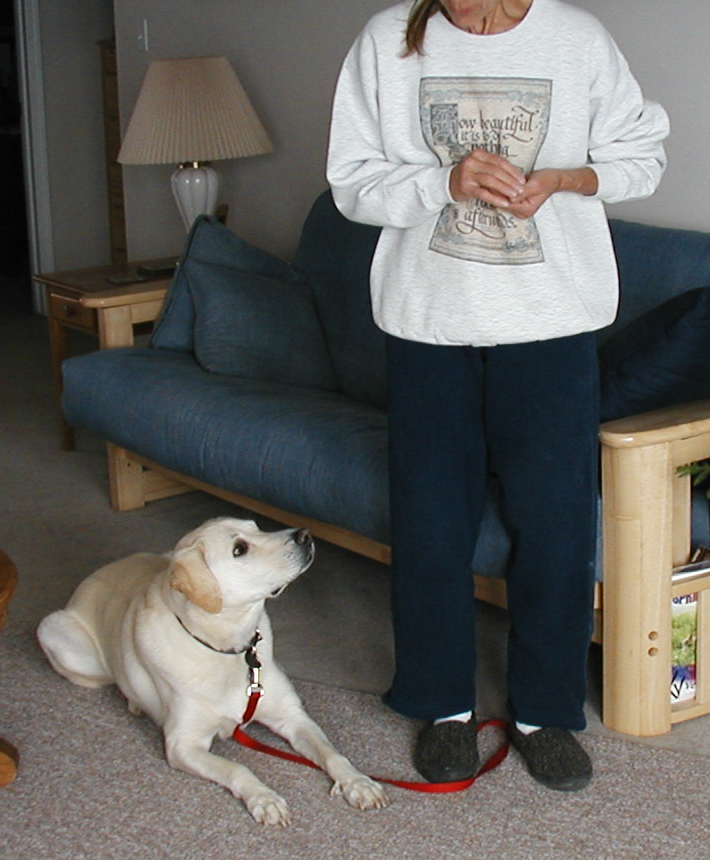
Chamois’ training started out great. The dog quickly learned to sit, down, and stay. Chamois walked well on the leash and was social with other dogs. But, over the years, things began to change. This happened incrementally. Chamois began to choose what commands to follow and how well to follow them. Soon this dog began to take control of the play. Chamois would no longer bring back toys and became very determined about winning every game of tug-of-war. When it came to getting affection from the owner, Chamois demanded that on her terms. She’d insist on being petted, and when the owner no longer wanted to pet the dog, Chamois would not graciously stop. All these uncorrected misbehaviors began to change Chamois’ perspective about who was in charge in the household.
One day, when Chamois decided the Miniature Pincher needed driven out of the house, she attacked the Miniature Pincher. Since the dog didn’t leave as Chamois had clearly communicated with the first attack, Chamois launched a second attack. If the owner hadn’t intervened, Chamois would have killed the Miniature Pincher. After the Miniature Pincher got out of the veterinarian hospital, the Miniature Pincher was rehomed.
Some people may be quick to cite the problem with Chamois as a result of this dog being dominant. My interpretation was that Chamois was a pushy dog (a descriptive term for her personality), and that pushy nature slipped under the radar of this dog owner. After all, this dog owner had successfully trained other dogs and not had this kind of problem develop. Where a pushy dog can get into issues is that after a dog learns to comply, the dog begins to push the limit of complying. An example of this may be that the dog hears you tell the dog to come, but the dog puts off complying until the dog feels like it.
With some dogs who wane in their compliance, this is just annoying and once the dog sets up this pattern of behavior the dog simply learns he or she doesn’t always need to obey. With a pushy dog, this becomes the first of many steps that puts the dog in charge. First, the dog gets lax about doing commands. Then the dog may become demanding about attention. Other behavior that may emerge include the dog controlling toys and managing playtime. Some dogs will progress to guarding food bowls or toys when the dog didn’t originally do this. A pushy-like nature can also be seen in some herding dogs, however I like to describe this as the dog being “insistent” rather than pushy about doing things the dog’s way. In the case of the herding dog, even if an animal kicks at the dog or charges a dog, the dog continues working the animal until the animal yields. This kind of insistence is fine if you want a dog to herd sheep, but not okay if the dog is persistent about doing things the way the dog wants instead of the way the owner wants.
