CPDT-KA Attestation Statement form signed.
 The CCPDT requires, IN ADDITION to (1) a 300 hour Behavior Log, (2) a signed and on file CCPDT Standards of Practice and Code of Ethics, (3) a signed and on file Least Intrusive, Minimally Aversive (LIMA) Effective Behavior Intervention, and, (4) your application fee and application submitted in the required time window. (SEE ALL requirements here: How to Become a CCPDT Certified Dog Trainer.)
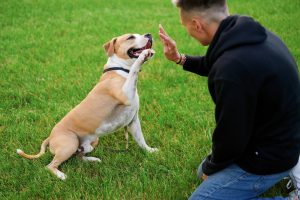
We will sign the Attestation Form for you if the signing Instructor has determined, through the following video requirements, that “to the best of your knowledge and belief the candidate has successfully demonstrated a positive relationship with clients, including the safe handling of dogs, in the candidate’s role as a dog trainer or canine behavior consultant.” (from the CCPDT).
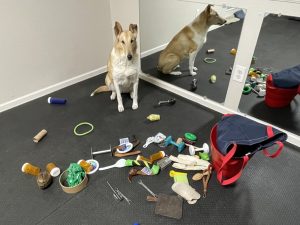
A second video of you working with the dog itself.
The videos should be 5 to 10 minutes long with no edits.
Once you sign up, the Instructor will get back to you with more instructions

 Instructor:
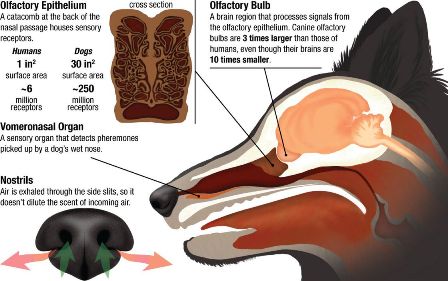
 Seeing Through a Dog’s Nose – Canine Nose Lecture #1
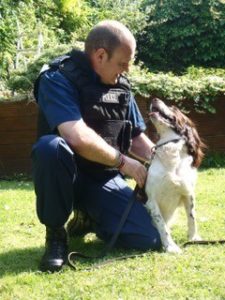 Speaker: Dr Robert Hewings, BSc MA, the author of the soon to be published ‘Introduction to Canine Scent-Work’ and head of learning and development for the UK College of Scent Detection, Dr Robert Hewings is a highly experienced Canine Trainer. He retired from the Metropolitan Police after 30 years’ exemplary service, 25 of which was as a Police Dog Handler. The final nine years as a full-time trainer with the Metropolitan Police Dog Training Establishment. He has enhanced this experience with a BSc (Canine Training and Behaviour) MA (Professional Practice Police Dog Training) and a Doctorate of Professional Practice (PhD) Canine Scent Detection. Rob has instructed all police canine-search disciplines including explosive search and narcotics, supporting this with practical experience gained in London UK where he has supported many large events, the 2012 Olympics, Wimbledon Tennis and protecting our Royal Family.
 After his retirement in 2016 Rob, took on new challenges to complete his desire to learn, lecturing at university (BSc Canine Behaviour and Training) where he specialised in ‘Assistance Dog Training’, writing his recently published book, and practical assistance dog training using scent-work within epilepsy alert, diabetes alert and Post Traumatic Stress Disorder alert. He also attended Bergin University of Canine Studies where he gained a valuable insight into assistance dog training, particularly for PTSD sufferers.
 Backing and Pivoting